More Client Results

Visible changes from a more detailed approach to posture and movement.

These before-and-after examples show how posture, alignment and load distribution can change when the body is assessed and trained as one connected system. Each case reflects a different starting point, but the process remains the same: identify the compensation, improve how the body manages pressure and load, and build movement from a stronger foundation.

How to View These Results

These images show more than a change in appearance.

A posture photo is only one part of the picture. The changes shown here are intended to reflect improvements in how the ribcage, pelvis, spine and lower body relate to one another, how load is distributed through the body, and how efficiently a client can organise movement.

Every case is individual.

Outcomes vary depending on the client’s history, consistency, symptoms and starting point. These examples are presented to show the type of structural and movement changes that can occur over time, rather than to promise a specific result.

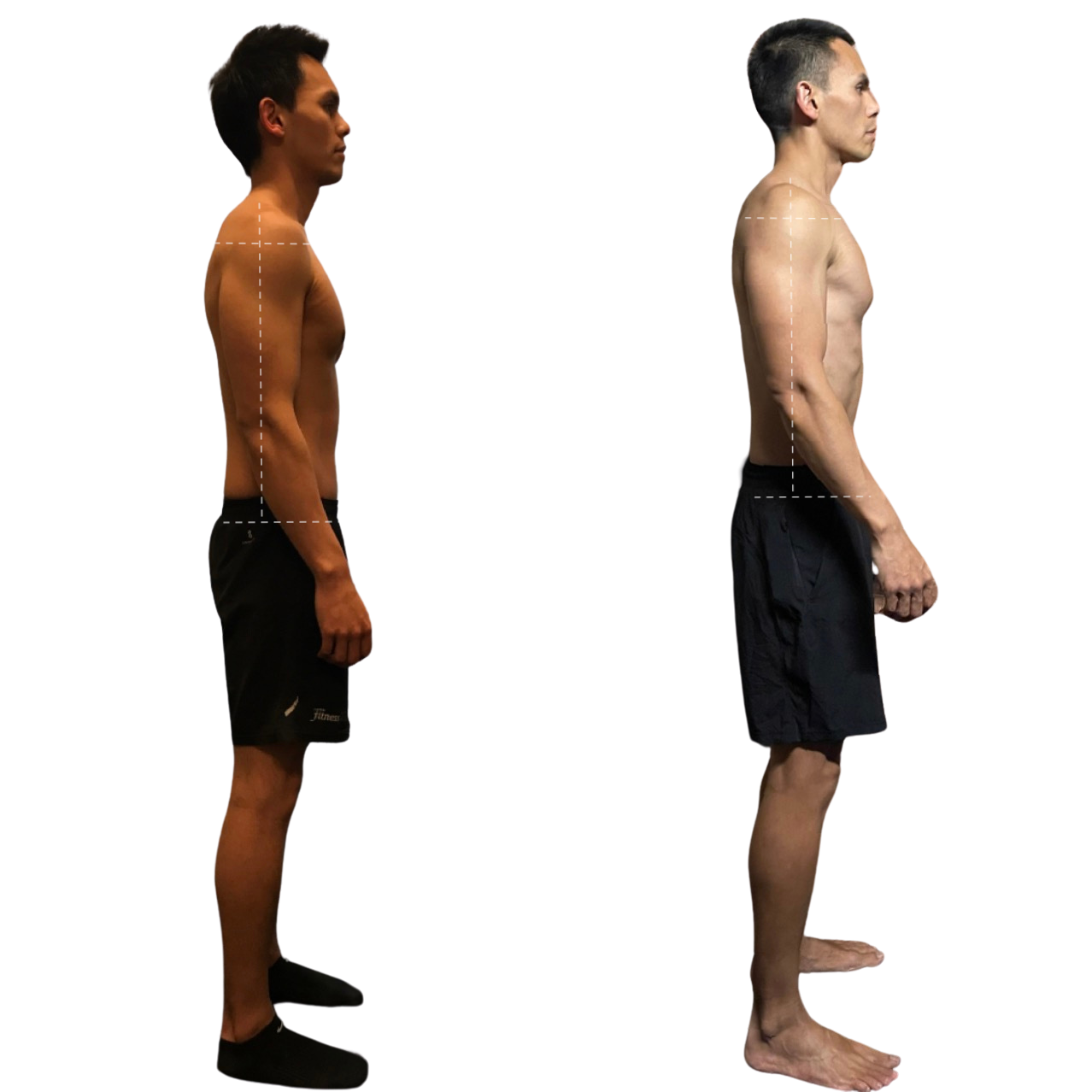
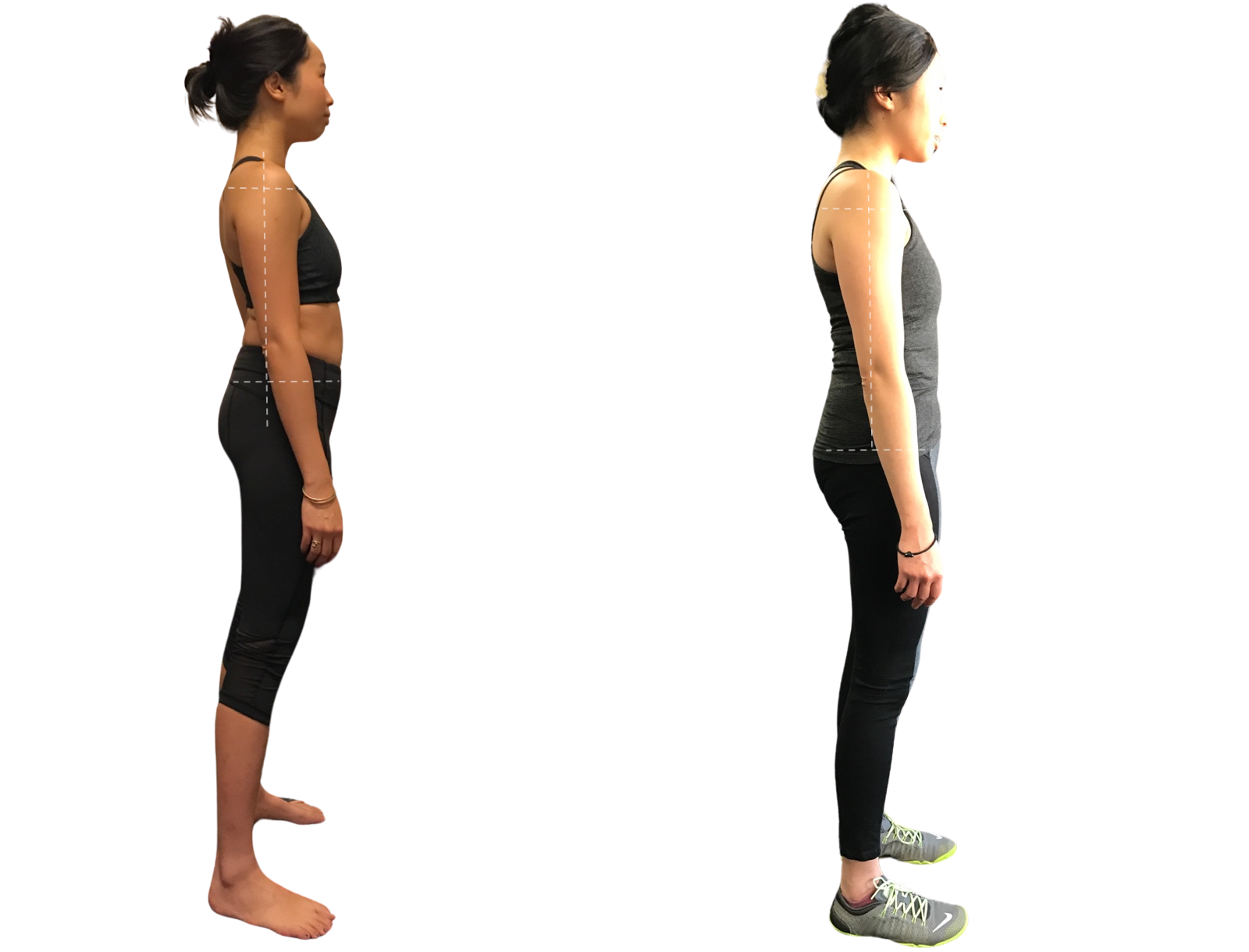
Postural change following lumbar disc replacement and lower back pain
Disc replacement Lower back pain Posture correction Trunk control

Disc Replacement and Lower Back Pain

Improved ribcage-to-pelvis alignment, reduced lower-back strain and a return to comfortable daily movement.

This client came in with ongoing lower-back pain following lumbar disc replacement, alongside clear postural compensation through the torso and pelvis. The focus was on improving alignment, rebuilding pressure management through the trunk and retraining movement patterns that reduced the need to brace through the lower back.

  • More upright and balanced posture
  • Improved relationship between ribcage and pelvis
  • Reduced strain through the lower back
  • Returned to comfortable daily movement without pain
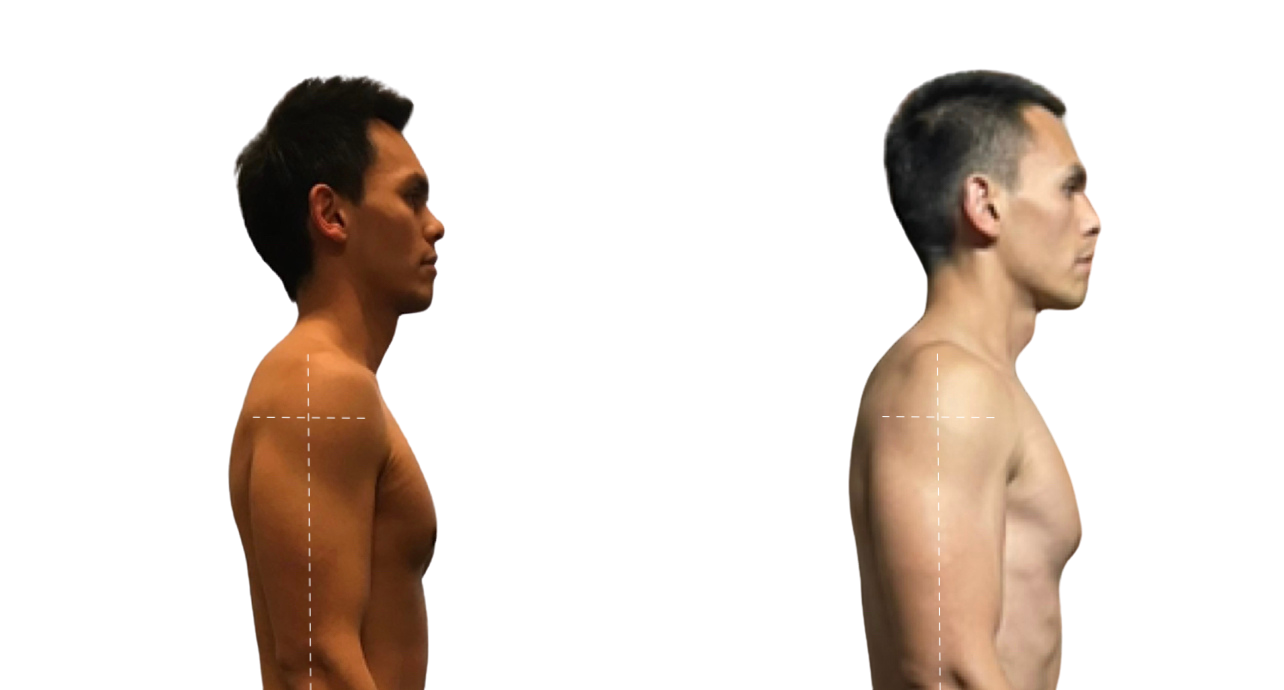
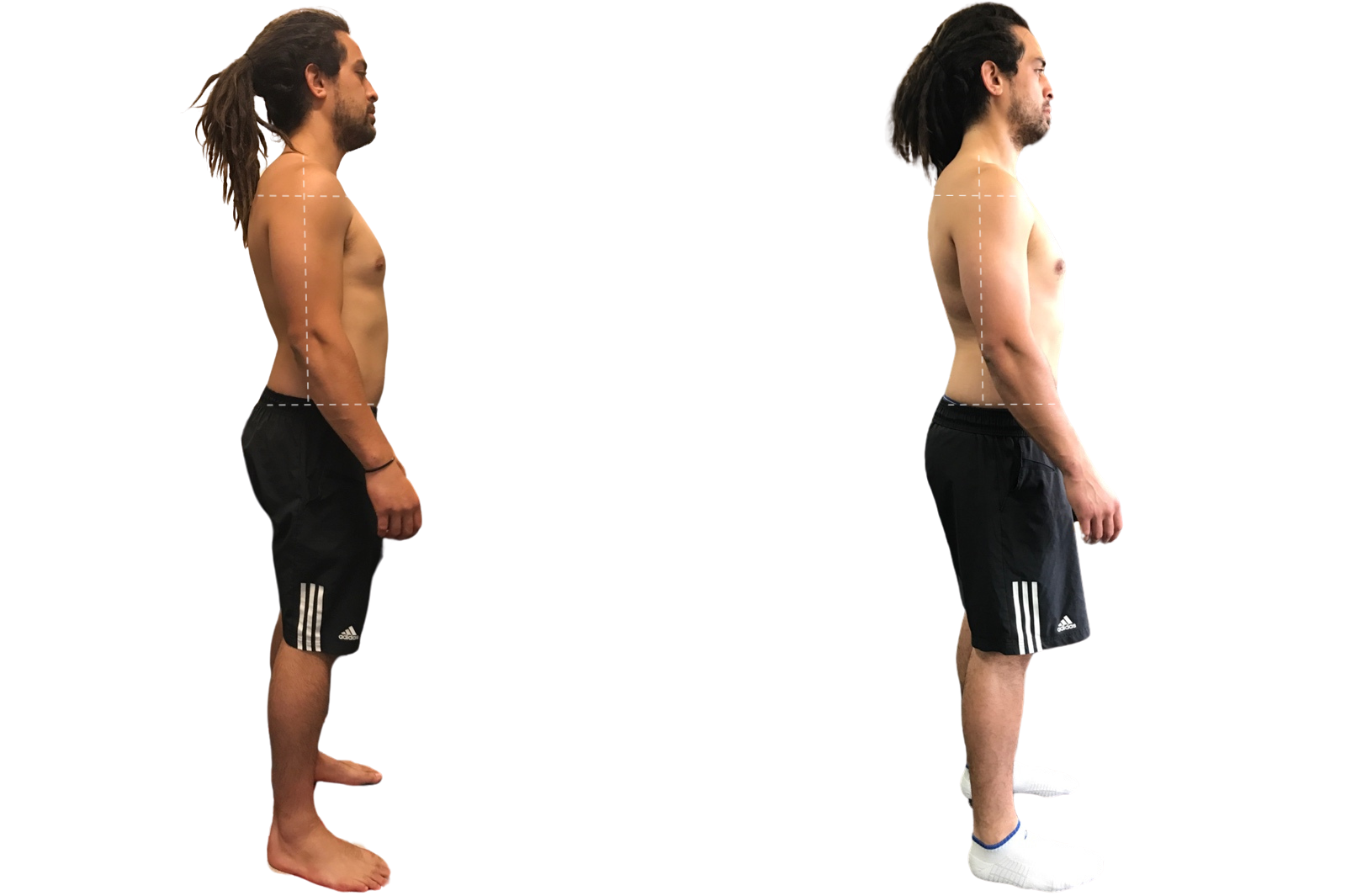
Charles before and after chronic neck pain and jaw tension
Founder case study Chronic neck pain Jaw tension Forward head posture

Chronic Neck Pain and Jaw Tension

After more than 15 years of neck pain, improved head, neck and jaw alignment helped restore long-term pain-free movement.

Before working in this field, Charles dealt with persistent neck pain, jaw tension and upper-body restriction for more than 15 years. Rather than treating the painful area in isolation, the focus shifted toward how the ribcage supported the neck, how far the head was drifting forward and how the rest of the body was feeding tension into the cervical spine.

  • Reduced forward-head compensation
  • Improved head, neck and jaw alignment
  • More efficient support from the ribcage and trunk
  • Completely pain free for the last 10 years
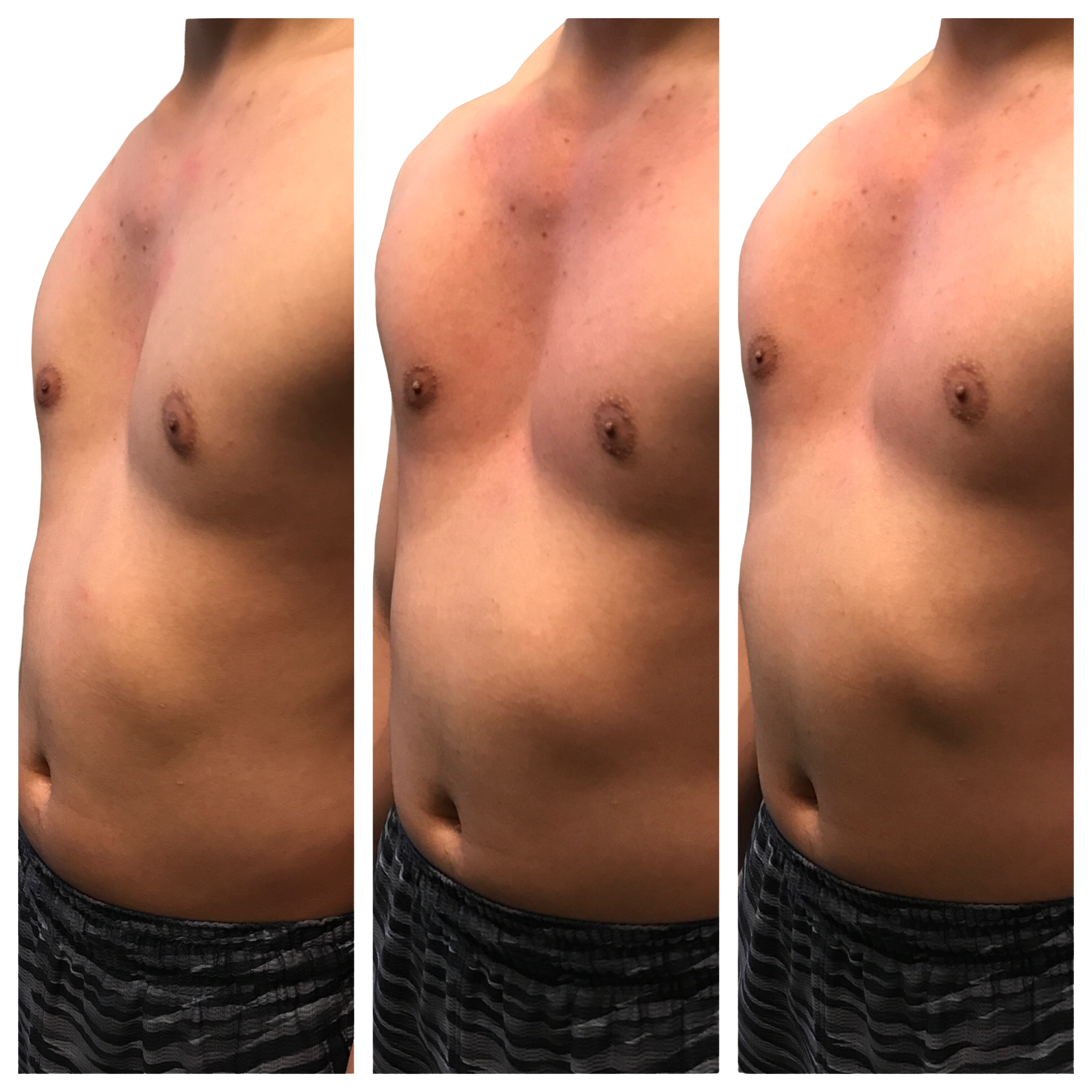
Improved chest and upper body posture with pectus excavatum
Pectus excavatum Chest posture Breathing mechanics Upper-body alignment

Pectus Excavatum and Chest Posture

Improved ribcage positioning, reduced chest collapse and better upper-body alignment.

This client presented with pectus excavatum, a visibly collapsed chest posture and difficulty maintaining upright alignment. Rather than focusing only on the chest, the approach addressed how the ribcage, spine and pelvis were working together and how the body was managing pressure during movement.

  • More open and supported chest posture
  • Improved ribcage positioning
  • Better alignment through the torso
  • More balanced upper-body structure
Improved symmetry following a car accident with back and hip pain
Car accident recovery Back and hip pain Movement symmetry Load distribution

Car Accident, Back and Hip Pain

Improved left-to-right symmetry, better hip alignment and reduced compensatory strain through the back and hips.

Following a car accident, this client was dealing with ongoing back and hip pain alongside clear asymmetry through the body. As a steel fabricator, rugby player and father of three, the demands placed on his body were high and reinforced the patterns he was already using to compensate.

  • Improved left-to-right symmetry
  • Better load distribution through both hips
  • Reduced strain through the back and pelvis
  • Stronger movement foundation for work and sport
Charles before and after full body posture and alignment changes
Chronic back pain Chronic neck pain Full-body alignment Posture correction

Full-Body Alignment and Chronic Pain

A whole-body change in posture helped reduce the long-standing back and neck pain Charles had dealt with for almost 15 years.

Over time, the body had adapted into a compensatory posture that continued to feed strain into the back and neck. The focus became restoring how the body worked as a whole by improving the relationship between the ribcage and pelvis, reducing forward drift through the torso and creating a structure that could support movement more effectively.

  • Improved full-body alignment
  • Reduced forward drift through the torso
  • Less strain through the back and neck
  • Returned to pain-free training and daily movement
Improved postural symmetry following chronic back and neck pain
Chronic back pain Chronic neck pain Postural symmetry Load distribution

Restoring Symmetry Through the Whole Body

Improved alignment and symmetry helped reduce the uneven loading that had been feeding long-standing back and neck pain.

Years of discomfort had contributed to visible shifting and rotation through the spine and pelvis. The body had adapted around pain by loading one side differently from the other, creating ongoing tension through the back, neck and surrounding musculature.

  • Improved postural balance and symmetry
  • More even distribution of load
  • Reduced shifting and rotational compensation
  • Less strain through the back and neck
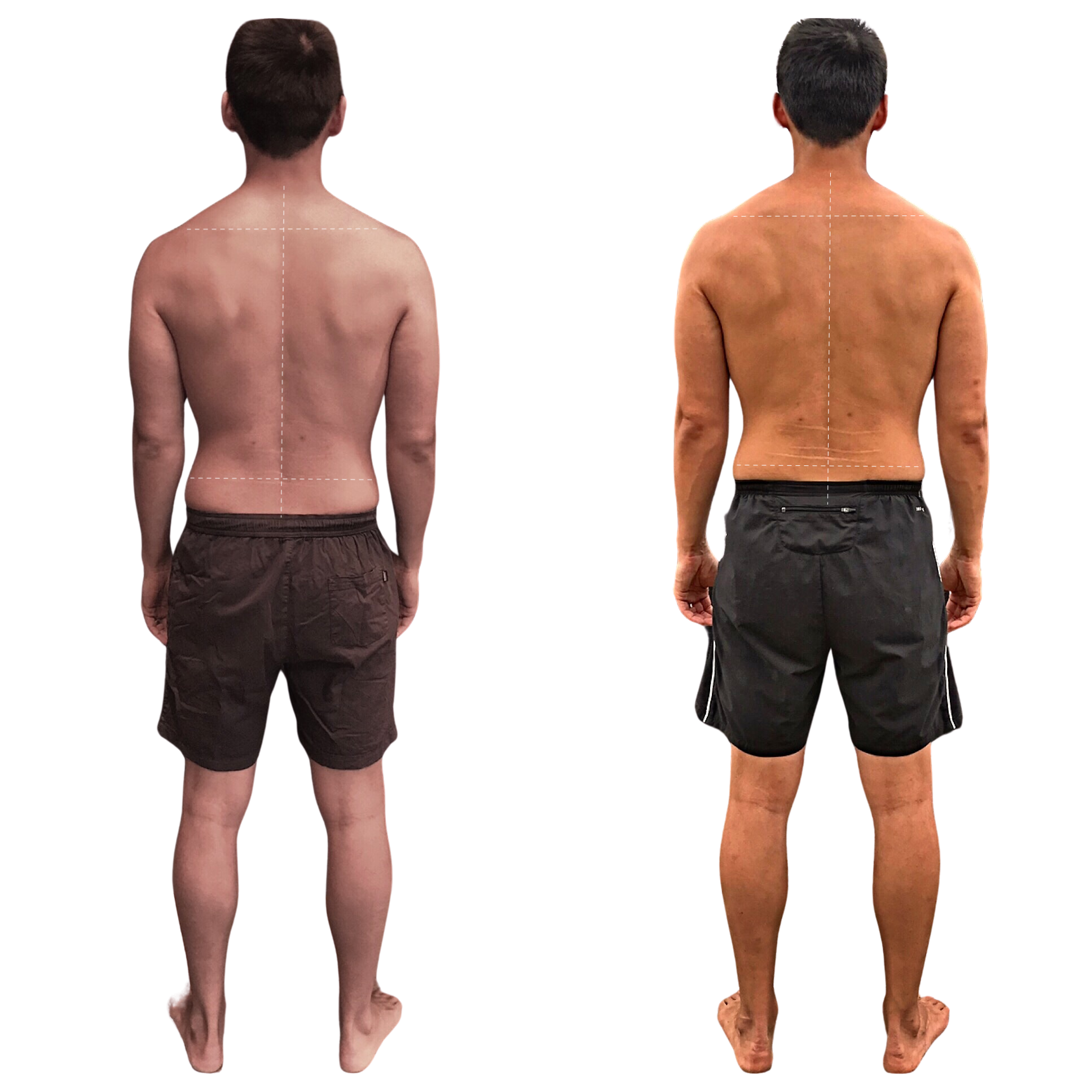
Improved postural alignment in a client with scoliosis
Scoliosis Posture correction Spinal alignment Movement control

Scoliosis and Spinal Alignment

Improved balance through the spine, shoulders and pelvis helped the body manage load with less unnecessary compensation.

This client presented with scoliosis and visible asymmetry through the spine, shoulders and pelvis. The body had adapted by shifting and rotating around the spinal curve, leading to uneven loading through the back and surrounding structures.

  • More balanced postural alignment
  • Improved control through the spine and pelvis
  • More even distribution of load
  • Reduced reliance on dominant compensation patterns
Improved posture and movement efficiency for an amateur soccer player
Posture correction Movement efficiency Sports performance Lower-body alignment

Posture and Movement for Sport

Improved alignment and weight distribution created a more efficient base for training, running and soccer.

This amateur soccer player wanted to improve how his body moved and handled load. Initial assessment showed asymmetry through the spine and pelvis, alongside uneven weight distribution through the lower body.

  • Improved alignment through the spine and pelvis
  • More even lower-body weight distribution
  • Better overall movement quality
  • Stronger foundation for training and sport
Video Results
Movement changes you can see in motion.
Posture photos can show structural change, but video often gives a clearer view of how the body is organising movement, timing, pressure and control.

Result Video 1
From Guarded Running to a More Efficient Stride
• Reported torn hip labrum with severe hip and back pain
• Before: shorter stride with reduced hip extension
• Before: foot contact farther ahead of the body
• Before: less visible contribution from the arms and trunk
• After: torso and pelvis held in closer alignment
• After: foot contact moved closer underneath the body
• After: smoother trailing-leg extension and recovery
• Reported return to running, sprinting and hiking without pain

Result Video 2
Early Improvement in Running Control
• Reported hip, knee and neck pain
• Reported feeling loose and unsupported through the body
• Before: shorter stride with limited trailing-leg extension
• Before: lower heel recovery and smaller arm movement
• Before: greater visible movement through the torso and pelvis
• After: torso held more steadily over the pelvis
• After: greater hip extension and clearer leg recovery
• After: more consistent arm and leg timing

Result Video 3
Later-Stage Progression in Running Mechanics
• Later-stage comparison of the same client
• More stable torso and pelvis through the stride
• Greater hip extension behind the body
• Higher heel recovery during the swing phase
• Foot contact positioned closer to the body
• More consistent arm and leg timing
• Longer, more coordinated stride pattern
• Movement appears more controlled and repeatable

Result Video 4
Improved Symmetry From the Posterior View
• Reported long-standing back and neck pain
• Before: visible side-to-side shifting through the trunk
• Before: asymmetrical pelvic and shoulder movement
• Before: uneven stance and push-off between sides
• After: trunk remains more centred over the pelvis
• After: reduced lateral shift and rotational compensation
• After: more even loading through both legs
• Overall running pattern appears more symmetrical

Result Video 5
Full-Body Alignment and Running Mechanics
• Reported chronic back and neck pain for almost 15 years
• History of L5–S1 herniation and cervical disc degeneration
• Before: torso carried farther forward during running
• Before: shorter stride with reduced hip extension
• Before: left arm held with very limited movement
• After: ribcage and pelvis held in closer alignment
• After: greater hip extension and smoother leg cycling
• After: marked increase in left-arm movement and reciprocal arm swing
Start Here

Want to understand what may be driving your movement issues?

The first step is an initial assessment. We look at how your body is currently organising posture and movement, where compensation may be coming from, and what would need to change to create a stronger foundation.

Request an Initial Assessment